Top 3 Databases to Learn in 2026: PostgreSQL, MongoDB & Snowflake
Table of Contents
Every few years, the database conversation resets itself. New tools appear, old ones are declared obsolete, and learners are left wondering whether the time they invest today will still matter tomorrow. By 2026, this uncertainty has intensified—not because databases are disappearing, but because they are no longer doing the same jobs they once did.
If you observe how modern “Top 5” or “Top 10” database blogs are structured, especially those written for professionals rather than beginners, a clear shift becomes visible. The emphasis is no longer on popularity charts alone. Instead, these blogs revolve around a quieter but more important set of questions:
- Will this database still be part of real systems three to five years from now?
- Does it align with how companies actually build software today?
- And does learning it open pathways across roles rather than locking someone into a narrow niche?
PostgreSQL, MongoDB, and Snowflake consistently appear in these discussions—not because they compete for the same space, but because each dominates a specific layer of modern data systems. They represent three different answers to the same underlying challenge: how data should be stored, accessed, and analyzed as systems scale.
Presented in reverse order, this blog places all three databases side by side without forcing a conclusion, allowing readers to interpret where it makes sense to invest their time.
Why Choosing a Database Feels More Complicated Than Before
There was a time when learning “a database” meant learning one system well and using it everywhere. That assumption no longer reflects reality. Most modern applications are built using multiple data stores, each chosen for a different responsibility.
This creates confusion for learners. Some start with a relational database and later realize their target roles revolve around analytics. Others focus on a NoSQL database only to encounter systems where transactional accuracy is critical. The problem is not a lack of good databases—it is the lack of context around why each exists.
Common concerns quietly shape how people approach database learning:
- Fear of spending months on a tool that feels outdated by the time they apply for jobs
- Learning commands without understanding how data flows through real systems
- Confusing ease of learning with long-term relevance
Understanding PostgreSQL, MongoDB, and Snowflake through their actual roles rather than surface features helps reduce this uncertainty.
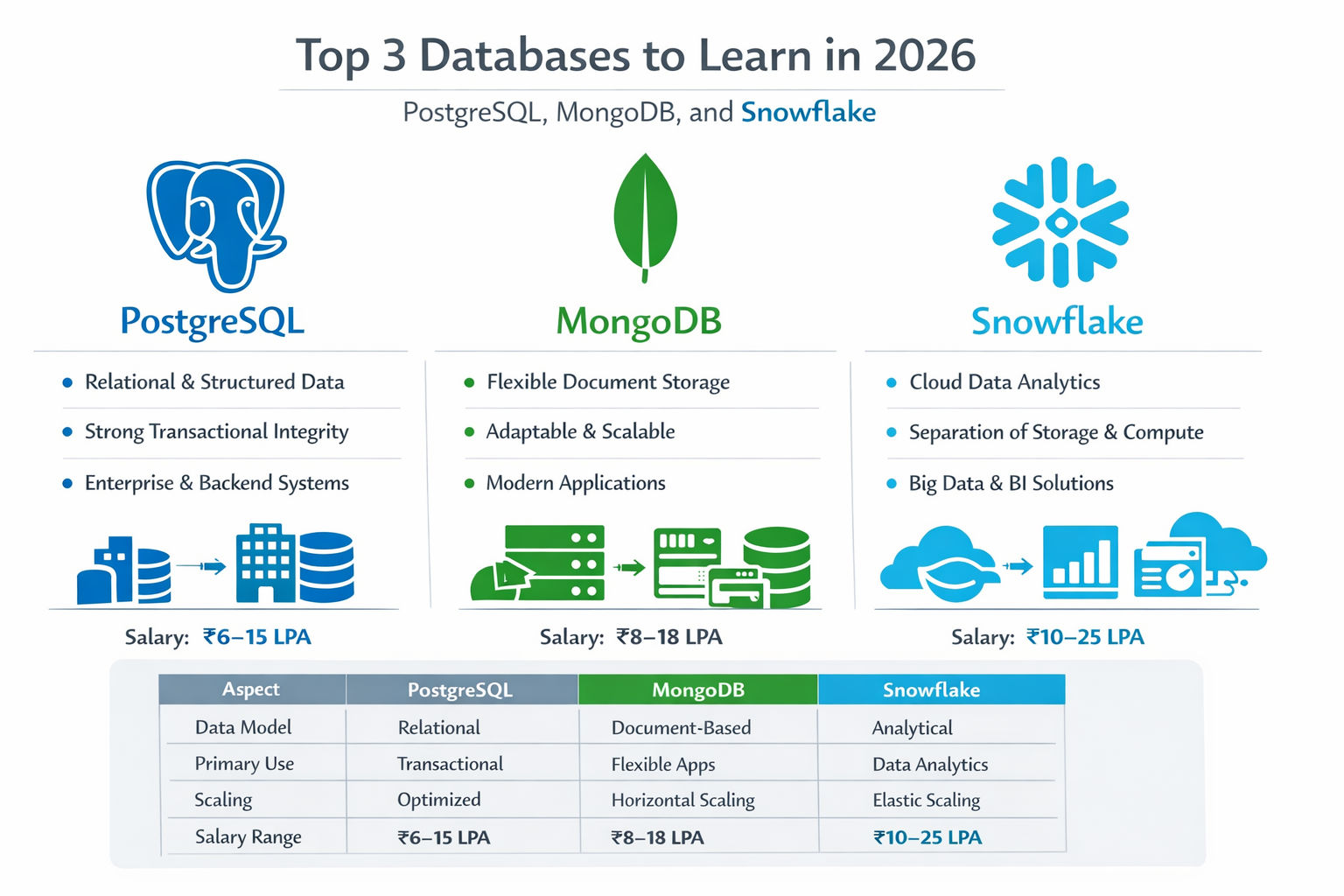
Figure 1: Comparison of Core Features & Use Cases
PostgreSQL: The Anchor of Structured Systems
PostgreSQL represents the most traditional layer among the three, yet it remains deeply relevant in 2026. This relevance comes from the fact that structured data has not disappeared, even as systems have become more distributed and cloud-driven.
At its core, PostgreSQL is a relational database designed to enforce rules. It uses schemas, constraints, and transactions to ensure that data behaves predictably. For systems where errors are expensive—financial records, order processing, internal tools—this predictability is not optional.
Learning PostgreSQL exposes learners to fundamentals that remain transferable across technologies:
- How relational models represent real-world entities
- How joins and indexing strategies affect performance
- How transactional guarantees prevent partial failures
- How concurrency is managed when multiple users access the same data
PostgreSQL is commonly used behind enterprise applications, SaaS platforms, internal dashboards, and backend services where correctness and long-term maintainability matter more than rapid experimentation. Over time, PostgreSQL has evolved to support modern requirements as well, including JSON data types and extensibility, allowing it to coexist with newer application patterns.
From a career perspective in India, PostgreSQL skills are typically associated with backend developer and database administrator roles. Salary data aggregated from platforms like AmbitionBox suggests PostgreSQL professionals commonly fall within the ₹6 LPA to ₹15 LPA range, depending on experience and responsibility. These figures reflect stability rather than volatility, aligning with PostgreSQL’s role as a dependable foundation.
PostgreSQL continues to matter because it teaches how data should behave when systems are expected to last.
MongoDB: Built for Applications That Keep Changing
MongoDB exists for a different reason. Modern applications rarely know all their requirements upfront. Features change, data evolves, and new fields appear without warning. MongoDB is designed around this reality rather than against it.
As a document-oriented database, MongoDB stores data in flexible, JSON-like documents. This approach removes the need for rigid schemas during early and mid-stage development, allowing teams to iterate quickly. For many web and mobile applications, this flexibility reduces friction between application code and data storage.
MongoDB is often chosen when:
- Data structures evolve frequently
- Development speed is critical
- Horizontal scaling is expected early
This design fits naturally with modern API-driven architectures and JavaScript-heavy stacks. Developers can add or modify fields without waiting for schema migrations, making MongoDB particularly attractive for fast-moving products.
However, this flexibility also introduces responsibility. Without careful design, document structures can become inconsistent, and performance issues can emerge. MongoDB therefore teaches an important lesson: flexibility does not remove the need for thoughtful modeling—it simply changes the rules.
In real systems, MongoDB rarely stands alone. It often works alongside relational databases or analytics platforms, handling application-facing data while other systems handle reporting or transactions.
In the Indian job market, MongoDB skills commonly map to full-stack and backend roles. Salary data suggests typical ranges between ₹8 LPA and ₹18 LPA, influenced heavily by overall system design knowledge rather than MongoDB expertise alone.
MongoDB remains relevant in 2026 because it mirrors how applications evolve in practice, not how databases were traditionally designed.
Snowflake: When Data Becomes a Strategic Asset
Snowflake occupies a completely different layer of the data stack. It is not meant to power application logic or store transactional records. Instead, it addresses what happens after data has been generated—when organizations want to analyze it at scale.
As systems grow, data accumulates from applications, logs, integrations, and third-party services. Traditional databases often struggle to support analytical workloads alongside operational ones. Snowflake was built specifically to solve this problem using a cloud-native architecture.
By separating storage from compute, Snowflake allows organizations to scale analytical queries independently of data size. This makes it possible to run complex reports without disrupting other workloads, a critical requirement in data-driven organizations.
Snowflake is commonly used for:
- Data warehousing and analytics
- Business intelligence and reporting
- Centralized analysis across multiple systems
Learning Snowflake goes beyond writing SQL queries. It introduces learners to concepts such as cloud cost management, workload isolation, and scalable analytics. The skills developed here are often applied in data engineering and analytics engineering roles rather than traditional application development.
In India, Snowflake-related roles typically appear under titles like data engineer, analytics engineer, or cloud data specialist. Practical salary ranges reported on AmbitionBox generally fall between ₹10 LPA and ₹25 LPA, depending on experience, company size, and cloud exposure.
Snowflake’s growing relevance reflects a broader shift: data is no longer just stored—it is actively analyzed to drive decisions.
How These Databases Differ in Real Use
| Aspect | PostgreSQL | MongoDB | Snowflake |
|---|---|---|---|
| Data Structure | Relational, schema-driven | Document-based, flexible | Columnar, analytical |
| Primary Responsibility | Transactional accuracy | Application agility | Analytics and insights |
| Typical System Layer | Backend and core services | Application data layer | Reporting and BI layer |
| Scaling Approach | Structured optimization | Horizontal distribution | Elastic cloud scaling |
| Common Roles | Backend dev, DBA | Full-stack, backend | Data engineer, analyst |
| Salary Range (India) | ₹6–15 LPA | ₹8–18 LPA | ₹10–25 LPA |
The table highlights differences in responsibility rather than ranking. Each database exists because the others cannot fully replace it.
Where Learners Commonly Misjudge Value
A frequent mistake is assuming that learning one database excludes the others. In reality, many organizations use PostgreSQL for transactions, MongoDB for application data, and Snowflake for analytics—all within the same ecosystem.
Another misunderstanding comes from salary comparisons. Higher pay often reflects system complexity and business impact rather than tool difficulty. Snowflake roles tend to pay more because they sit closer to strategic decision note.
Finally, ease of learning can be deceptive. Tools that feel simple at first may hide complexity later, while those that feel demanding early on often build stronger long-term intuition.
In 2026, PostgreSQL, MongoDB, and Snowflake are not competing for dominance. They represent different answers to the same question: how should data be handled as systems grow in size, complexity, and importance? Viewed together, they offer a realistic picture of the modern data landscape—one where choice depends less on trends and more on context.
Ready to Master these Databases?
Join Vika Technologies for hands-on training with placement support.
About the Author
Vika Tech Team
Industry experts delivering top-notch IT training in Trichy. We specialize in Data Analytics, Engineering, and Full Stack Development.
Frequently Asked Questions
Which database should I learn first in 2026?
For web development, start with MongoDB (MERN Stack). For data careers, SQL (via PostgreSQL) is the absolute foundation, followed by Snowflake for advanced roles.
What is Snowflake used for?
Snowflake is used for Cloud Data Warehousing. It allows companies to store and analyze huge datasets efficiently without managing servers.
Is MongoDB good for beginners?
Yes! MongoDB is very beginner-friendly because it uses JSON-like syntax, which is easier to understand than complex SQL joins for new developers.
Does Vika Tech provide placement for these courses?
Absolutely. All our courses in Trichy come with 100% placement support, including resume building and mock interviews.